
Oral Health Habits
“Oral care is the new self care”
Toothbrushing
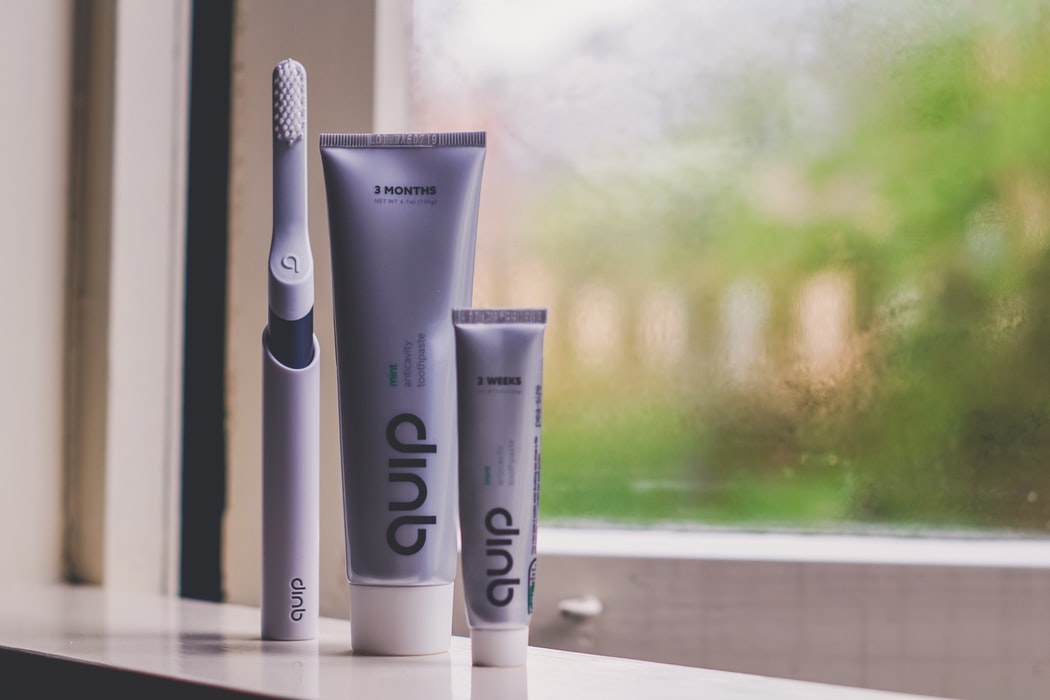
Brushing your teeth at least twice a day for at least two minutes! There are so many things to look for when it comes to toothpastes and toothbrushes, it’s hard to know where to start. I am an advocate of fluoride, still being our ‘gold standard’ when it comes to remineralising your teeth and protecting against tooth decay. I would advise a toothpaste that is gentle on your mouth, that is free from potential irritants (such as Sodium Lauryl Sulphate – SLS) and aims to restore the natural balance in your mouth.
Using an oscillating-rotating electric toothbrush, such as Oral B, is the evidence-based best at reducing mouth plaque and gum inflammation. Their incorporated pressure sensors and timers are such helpful additional features to aid good brushing practice. Brushing technique is key, ensuring you angle your toothbrush at 45 degrees to the gumline, reaching all surfaces of your teeth.
Remember to spit out, but do not rinse after brushing and to use a dry toothbrush so the beneficial effects of fluoride are not diluted.

Luvbiotics incorporates probiotics into their product range to promote the good bacteria and help establish the balance we need for a healthy mouth. Probiotics can reduce inflammation in the mouth, reducing gingivitis, as well as be protective against periodontal (gum) disease. They also help manage bad breath, suppressing the production of Volatile Sulphur Compounds (VSCs) produced by certain bacteria that contribute to smelly breath.
Luvbiotics oral care products are fluoride-containing, SLS free and free from parabens that may disrupt the natural bacterial balance.
Zendium toothpastes are also fluoride-containing and gentle on the mouth (SLS free). They contain natural enzymes and proteins, inspired by our secret agent saliva to support the oral microbiome and boost our natural salivary defences. Their oral care products include a children’s range of toothpastes to help protect little mouths.

Mouthrinsing
After eating a snack, especially a sweet one, or after mealtimes can be a great opportunity to rinse with a fluoride mouthwash. Use a mouthwash at a separate time to brushing (not straight afterwards) to not dilute the protective effects of fluoride.
Use a gentle mouthwash that supports the balance of the oral microbiome, such as Luvbiotics.
